 |
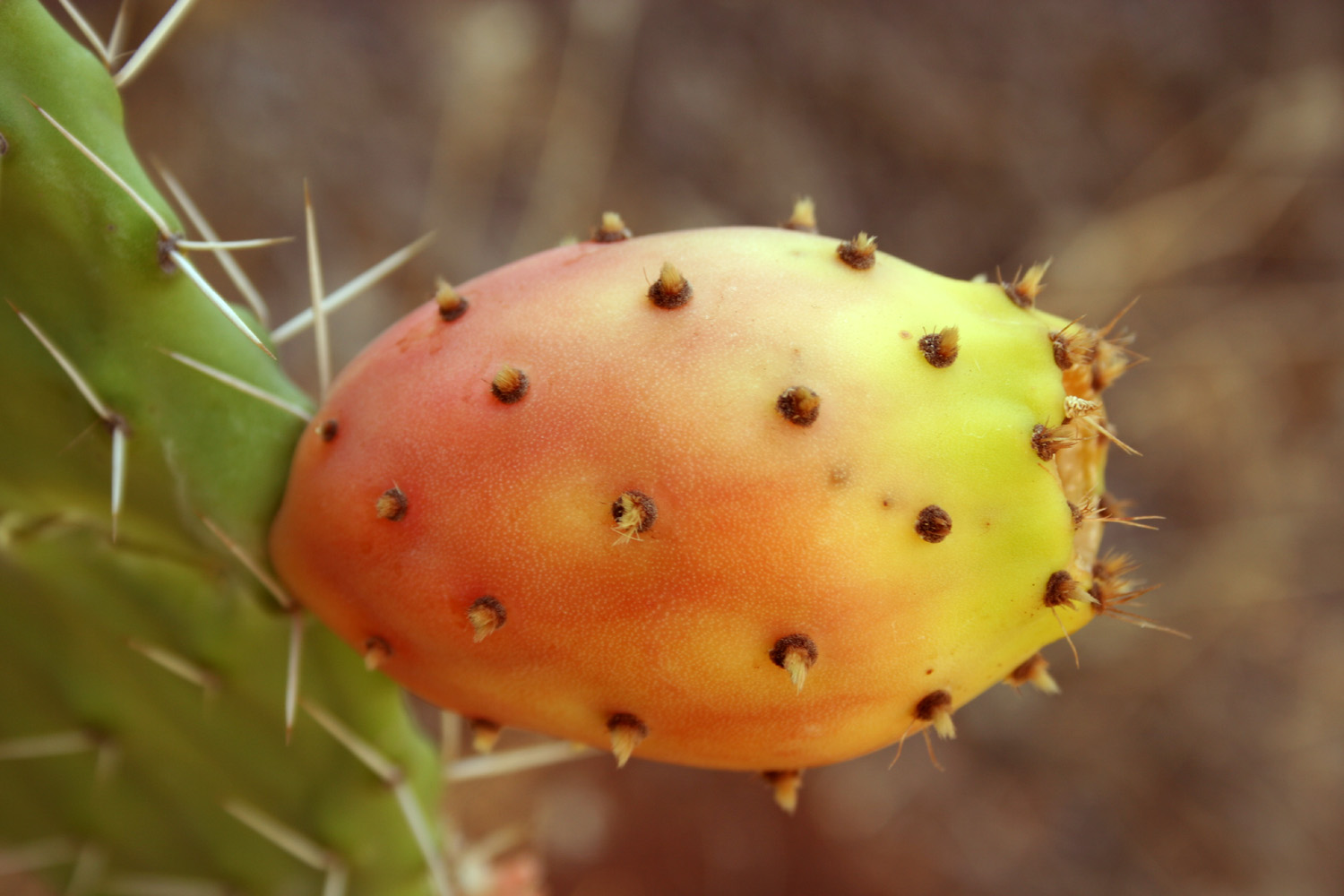
| Photo by Seweryn Olkowic, Greece |
Also known as cactus fruit, cactus fig, Indian fig, and “tuna”, this fruit is usually quite sweet, and comes in various vibrant colors, from magenta to yellow. It grows in many countries around the Mediterranean Sea, as well as in Mexico and in the United States. And this widespread yet little known fruit is particularly abundant in late summer and early Fall, hence…Now.
The pads of the cactus tree, used to feed cattle in parts of the US, and to feed humans for breakfast alongside eggs, are now being studied for their medicinal purpose and nutritional value, with hypothesis ranging from helping cure Type 2 Diabetes, to alleviating the painful symptoms of a hangover.
As for the fruit, nutritional information will depend on the variety (and there are about (350). Most are rich in antioxidants and flavonoids, and have shown to reduce digestive and urinary inflammation, as well as lower lipid levels and oxidative stress in healthy humans.
Most will also contain significant levels of magnesium, an important mineral for heart, brain, and bones (through facilitating calcium absorption), as well as Vitamin C (8 oz corresponds to close to 1/3 of our daily needs), dietary fiber, and calcium.

